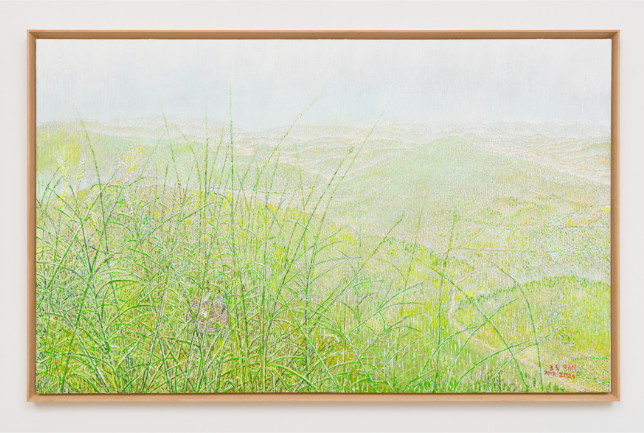
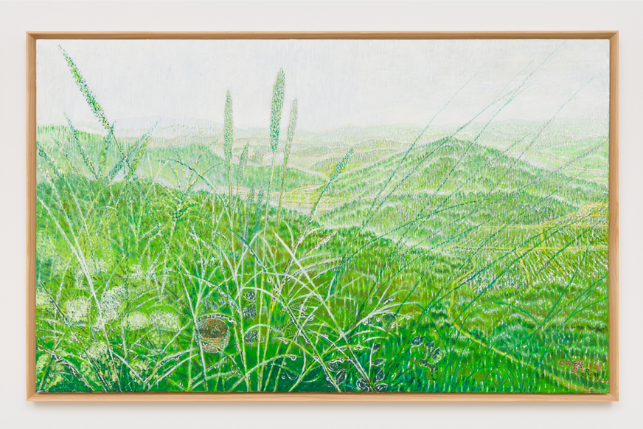
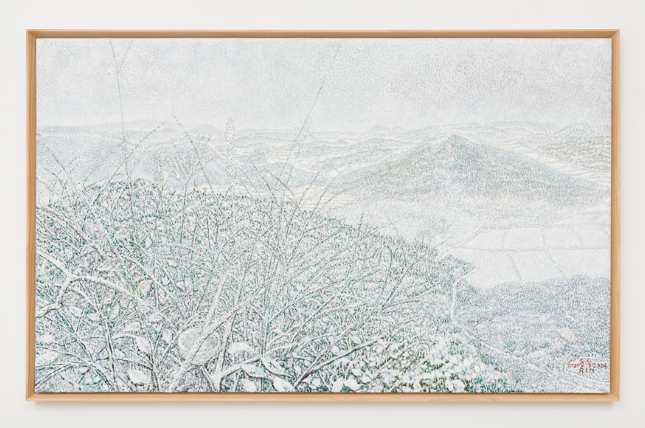
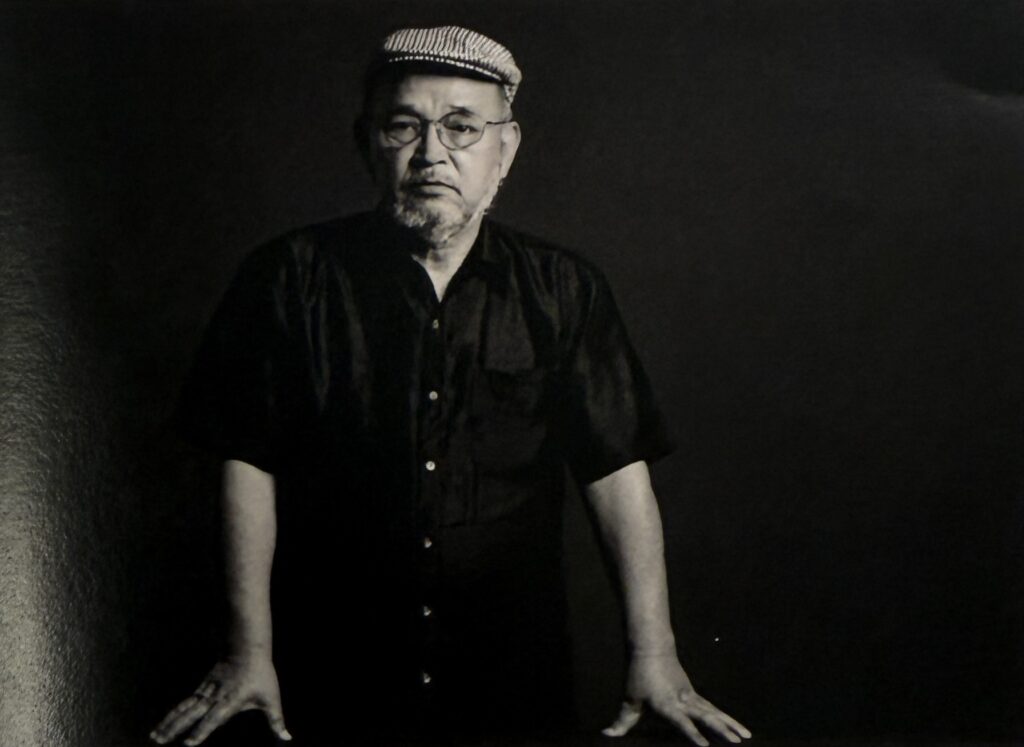
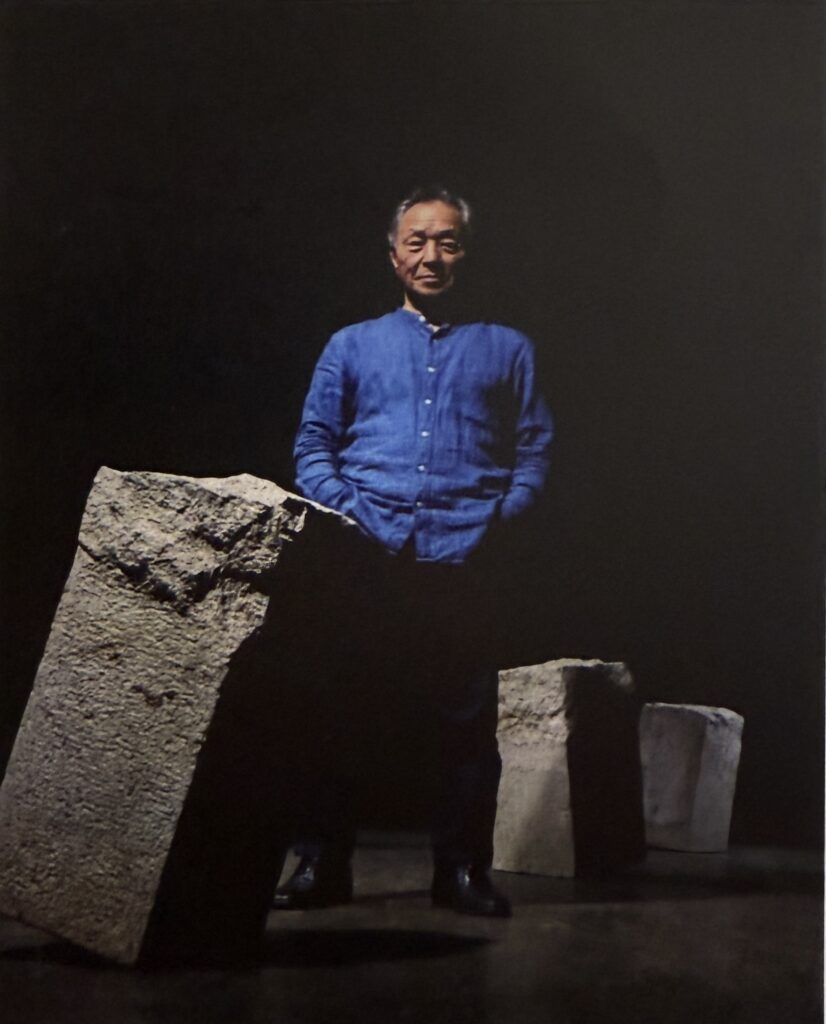
Rim Dongsik earned his master’s degree with top honors from the HFBK University of Fine Arts Hamburg and is based in South Chungcheong, Korea. Early in his career, he founded the performance art group Yatoo, known for outdoor installations that engage directly with nature, laying the groundwork for Nature Art in Korean contemporary art.
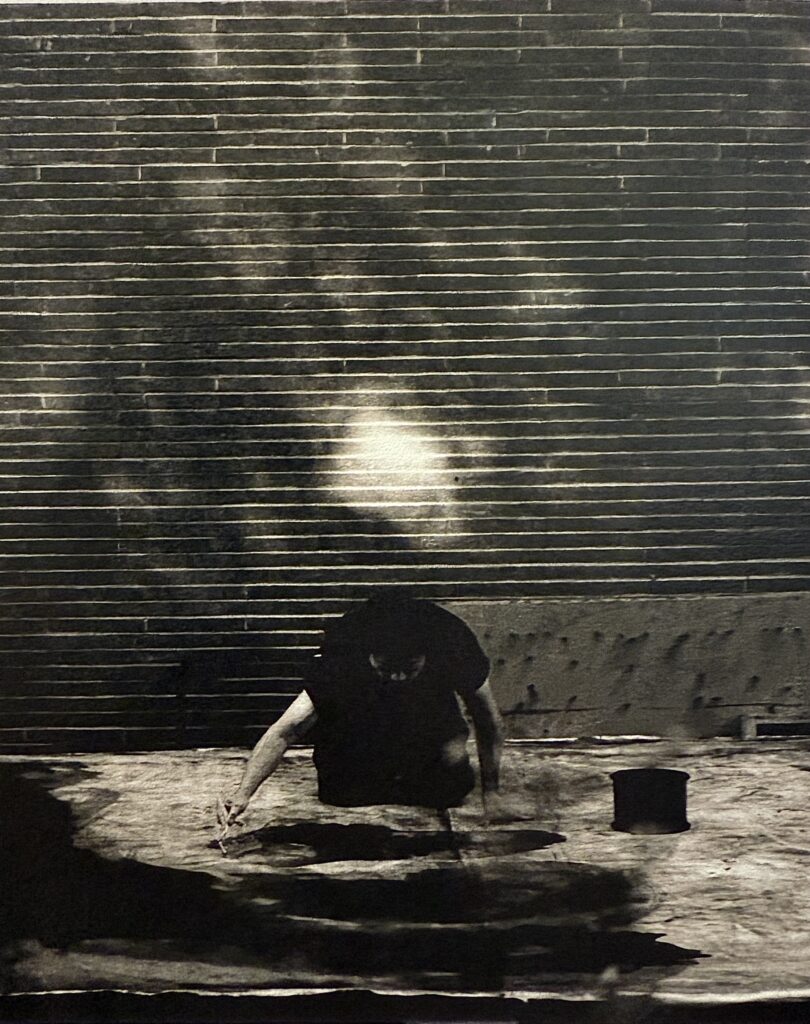
During his studies in Germany, Rim was influenced by the experimental art scene of Hamburg, where artists such as Joseph Beuys, Nam June Paik, and John Cage were active. His work evolved from performance and installation in natural environments to oil paintings that reinterpret those experiences, shifting from direct intervention to observation.
Rim’s paintings continue his exploration of the relationship between nature and culture, expressing a deeply reflective and enduring artistic dialogue with the natural world.
About Eddie Kang
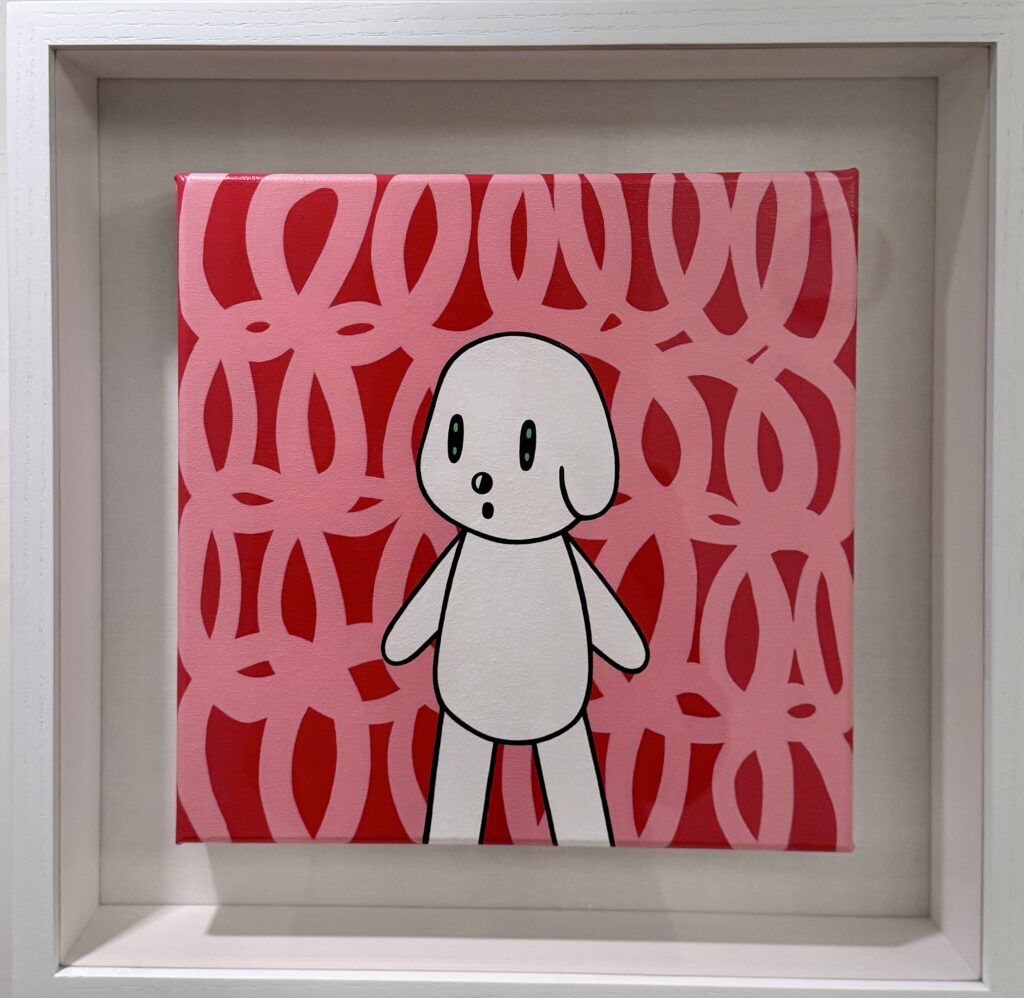
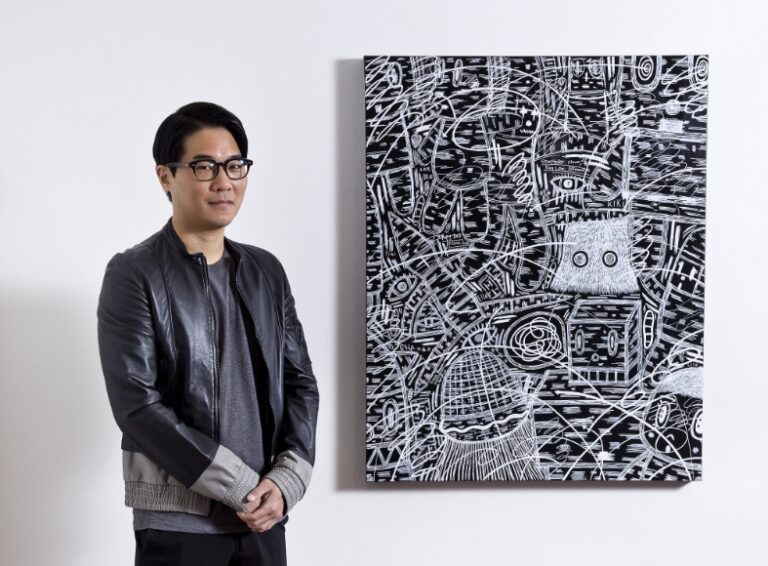
Eddie Kang views art as a medium for conveying happiness. He creates what he calls a “Happy Place” — a world without ill intentions — offering comfort to those weary of today’s competitive and individualistic society. Across painting, sculpture, and new media, Kang’s imaginary characters, such as Happy Cell, which spreads happiness endlessly, and Loveless, a dog inspired by his own pet, serve as symbols of joy and emotional connection.
Characterized by thick contour lines, vivid primary colors, and narrative imagery reminiscent of comics, Kang’s work is often described as animamix—a blend of animation and comics. Through this accessible visual language, he evokes childhood memories and invites viewers into a utopian space of rest and positivity.
About Yoo Geun Young
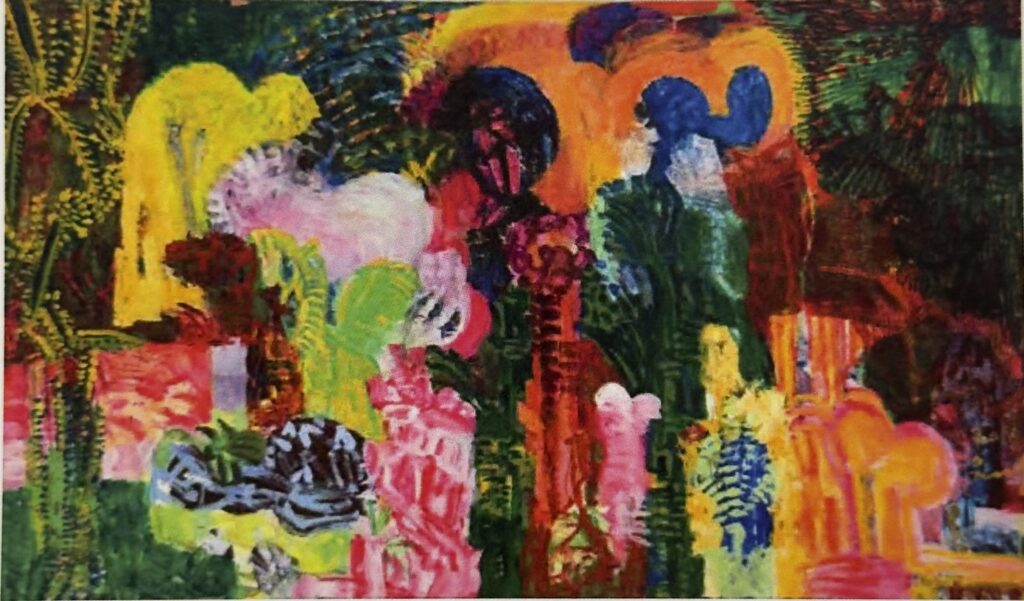
Yoo Geun Young is a prominent figure in Korean expressionism. After graduating from Hongik University’s Department of Painting and Aesthetics in 1985, he has gone on to show over 40 solo exhibitions. Known for his Odd Nature series, Yoo transforms everyday flowers and plants into expressive, abstract forms that blend realism and imagination. His vibrant, diverse color palette and ambiguous shapes evoke a sense of familiarity while remaining elusive. Yoo’s work defies traditional boundaries, appearing both figurative and abstract, as he seeks to express nature freely, beyond conventional artistic constraints.
About Park Dae Sung
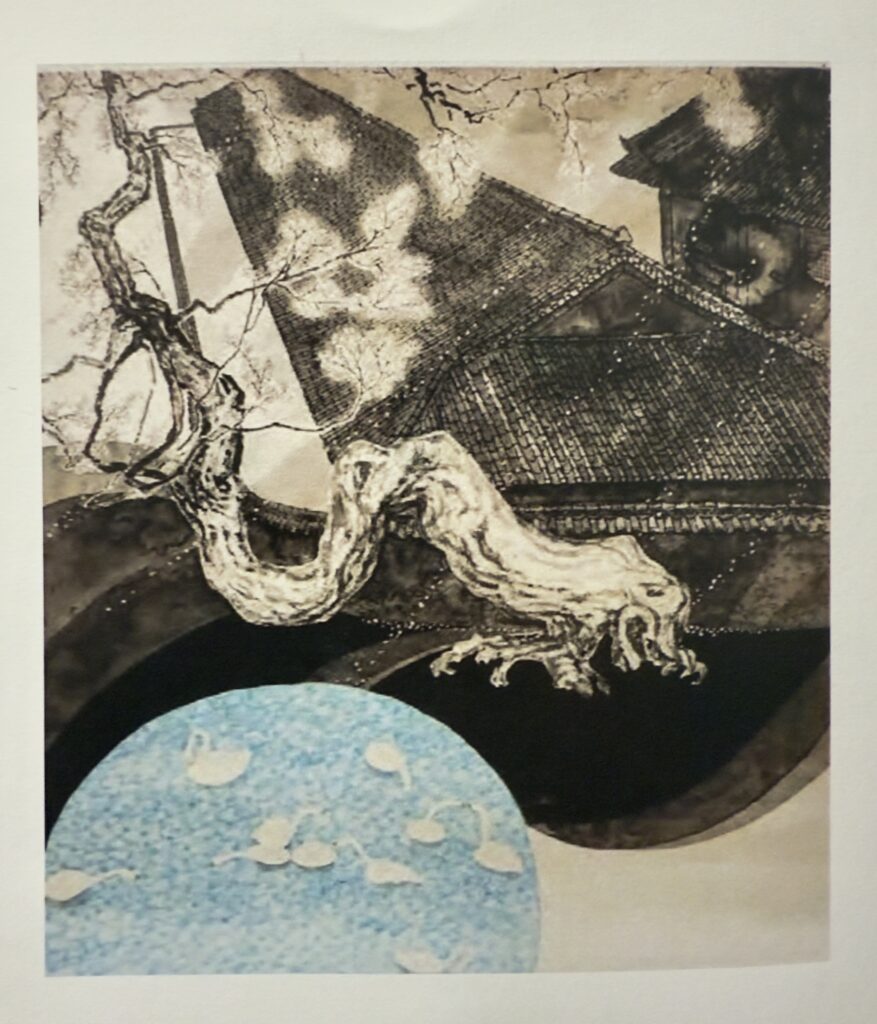
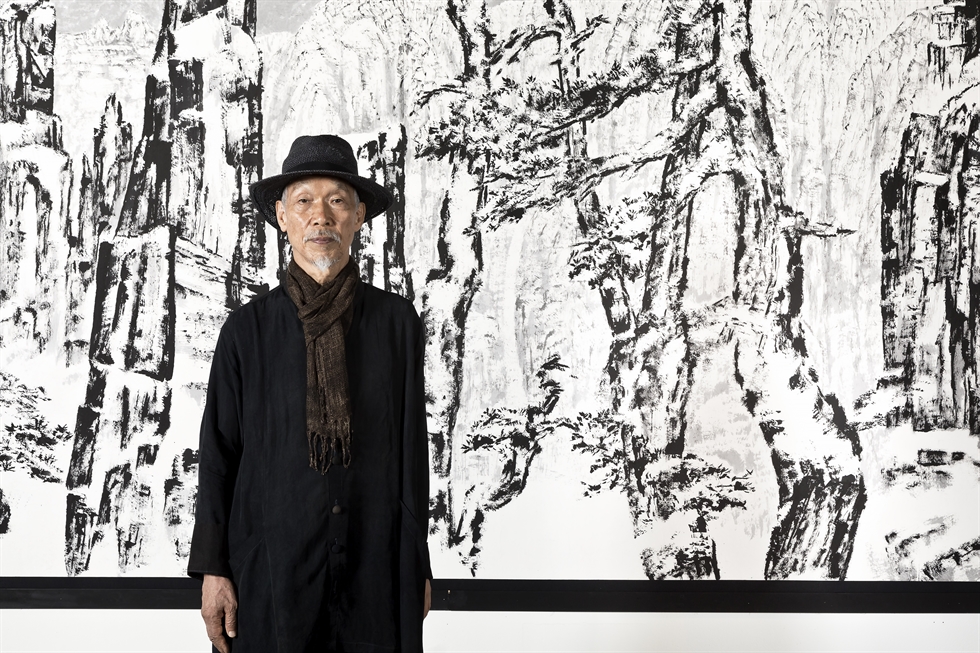
Park Dae Sung, also known by his pen name Sosan, has carved a distinctive place in the Korean art scene by developing a unique style rooted in traditional Korean ink painting. He reinterprets sumuk (water and ink) in a contemporary way while maintaining the lineage of Shillong landscape painting.
In the 2000s, Park turned to calligraphy, exploring the expressive potential of rapid, single brush strokes to convey tension and vitality. His landscapes and objects are depicted with strong, restrained forms rather than intricate detail, often using multiple perspectives to create dynamic, semi-abstract spaces.
By combining the principles of traditional Eastern art with innovative brushwork and altered perspectives, Park has forged a contemporary approach to sumuk, creating a distinctive “way of the brush” that defines his contribution to Korean painting.
About Huh Myoung Wook
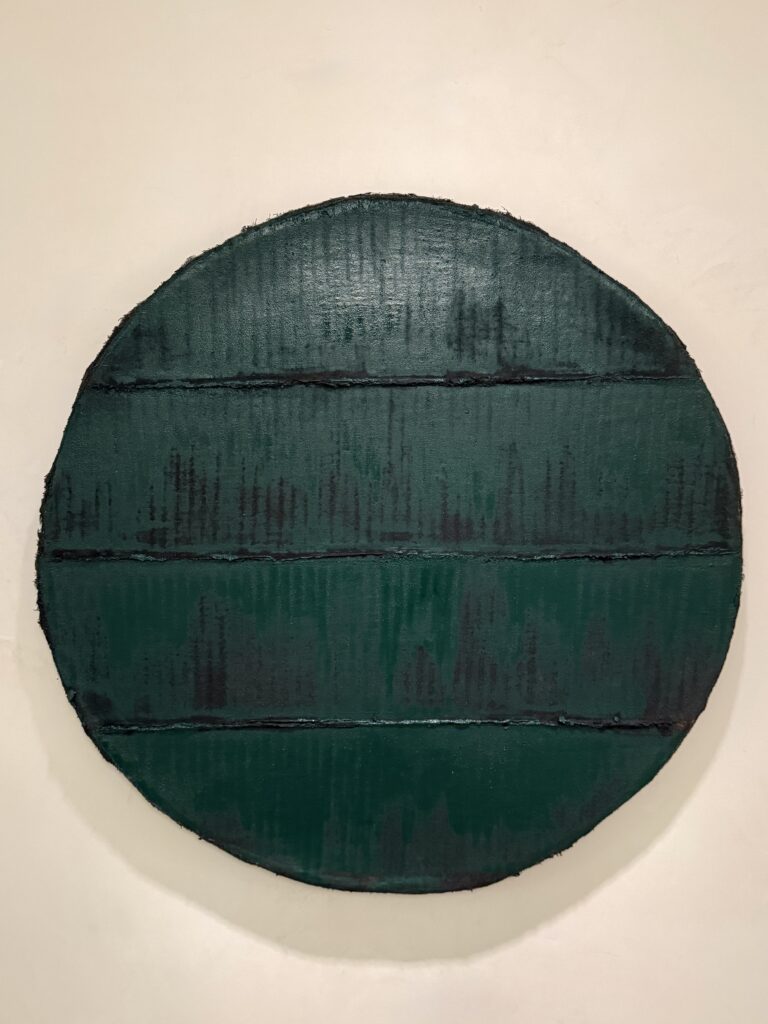
Huh Myoung Wook begins each day by personally mixing colors that reflect his emotions, applying them layer by layer onto his chosen medium. After extensive experimentation with various materials, he achieved his desired sensuous hues through Ottchil, a traditional lacquer technique.
Using color as his primary expressive tool, Huh builds depth and texture without relying on formal structures, letting light, shadow, and material qualities shape each piece. His labor-intensive process—mixing, layering, erasing, and drying lacquer—imbues his work with materiality, tactility, and lyric sensibility. For Huh, this daily practice of creating and applying color is inseparable from life itself, with each hue acting as a language to convey his personal narrative.
About Park Sukwong
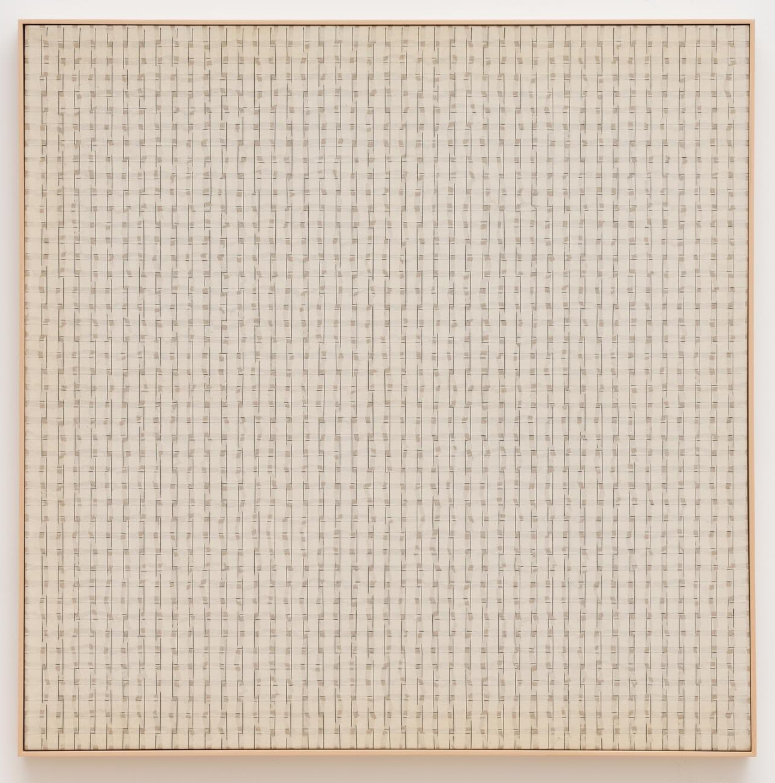
Park Sukwon opened new horizons in Korean sculpture by moving beyond figurative work to create abstract pieces influenced by the informel movement of the 1960s. In the 1970s and 1980s, he explored the essence of nature through materials like stone, iron, and wood, cutting and restacking them to reveal their inherent properties rather than their surface forms.
Since the early 1990s, Park’s Accumulation series has combined human consciousness with this method, integrating literary references to culture and history while avoiding rigid structures. More recently, he has experimented with “material painting,” using geometric segments of hanji (traditional Korean paper) to explore materiality and harmony between nature, art, and humanity.